

InspectionsLOGISTICS
Truckers, fleet managers, and anyone who moves America forward, listen up! The Commercial Vehicle Safety Alliance (CVSA) has announced the biggest safety showdown of the year—the annual International Roadcheck. Picture this: from May 13-15, 2025, inspectors will be out in full force, checking 15 trucks every minute across North America. That’s 900 inspections an hour, 21,600 a day, and enough to make any fleet owner break a sweat.
The Commercial Vehicle Safety Alliance (CVSA) has scheduled its annual International Roadcheck for May 13-15, 2025. This 72-hour inspection initiative spans Canada, Mexico, and the United States, aiming to enhance roadway safety through comprehensive inspections of commercial motor vehicles and drivers.
Focus Areas for 2025
Each year, CVSA designates specific aspects of compliance to emphasize during the Roadcheck. In 2025, the focus will be on:
- Hours-of-Service (HOS) Compliance HOS regulations are designed to prevent driver fatigue by limiting driving hours and mandating rest periods. During inspections, officials will verify drivers’ records of duty status (RODS) for accuracy and compliance. Violations, such as incomplete logs or falsified records, can result in drivers being placed out of service.
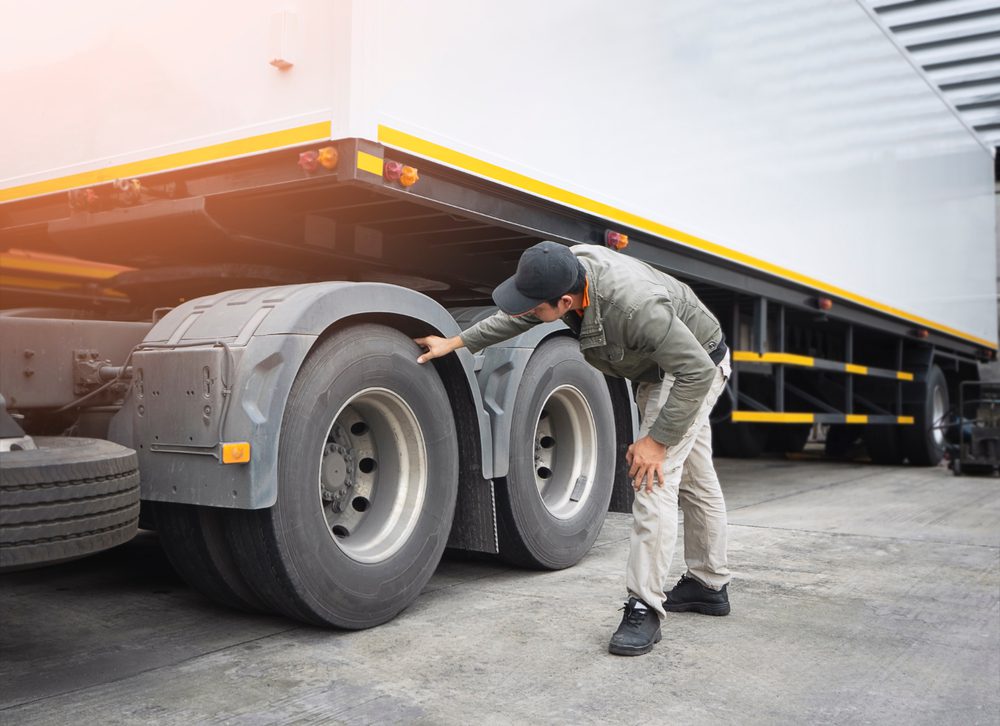
- Tire Safety Proper tire maintenance is crucial for vehicle safety. Inspectors will assess tire tread depth, inflation levels, and check for damages like leaks, cuts, bulges, or improper repairs. Identifying and addressing tire issues proactively can prevent hazardous situations and costly roadside repairs.
What Inspectors Will Be Looking For in 2025
This year, the CVSA has its sights set on three critical areas:
- Driver Credentials
- Inspectors will check licenses, medical cards, and hours-of-service logs.
- Hours-of-service violations consistently rank as one of the top reasons drivers are placed out of service. Make sure your logs are accurate and compliant with regulations.
- Vehicle Maintenance
- The condition of your truck can make or break your inspection. Focus on brakes, tires, and lights, which are the most common culprits for out-of-service violations.
- Last year, brake system violations accounted for nearly 40% of out-of-service orders during Roadcheck. Don’t let that be you.
- Cargo Securement
- Loose or improperly secured cargo is a recipe for disaster. Inspectors will ensure loads are secure, tie-downs are in good shape, and everything is where it should be.
Who’s Running the Show?
The CVSA doesn’t pull this off alone. They’ve got an all-star team of collaborators, including:
- FMCSA – The federal watchdogs who set the rules of the road.
- PHMSA – Experts in hazardous materials.
- Canadian Council of Motor Transport Administrators – Our safety-savvy neighbors to the north.
- Transport Canada – The folks keeping Canada’s highways safe.
- Mexico’s Ministry of Infrastructure, Communications and Transportation – Bringing safety across the southern border.
This international partnership ensures that Roadcheck isn’t just a U.S. event—it’s a North American effort to create safer roads for everyone.
Inspection Process
During the Roadcheck, inspectors will conduct the North American Standard Level I Inspection, a 37-step procedure that examines both driver operating requirements and vehicle mechanical fitness. Key components of the inspection include:
- Driver Checks: Verification of licenses, medical certificates, RODS, seat belt usage, and checks for alcohol or drug impairment.
- Vehicle Checks: Assessment of brake systems, cargo securement, coupling devices, driveline components, fuel and exhaust systems, frames, lighting, steering mechanisms, suspensions, tires, wheels, and windshield wipers.
Vehicles that pass the inspection without critical violations may receive a CVSA decal, valid for up to three months, indicating compliance. Conversely, vehicles or drivers found with out-of-service violations will be restricted from operating until issues are resolved.
Preparation Recommendations
To prepare for the 2025 International Roadcheck, it is advisable for drivers and motor carriers to:
- Review HOS Regulations: Ensure all drivers are familiar with and adhere to current HOS rules to maintain accurate RODS.
- Conduct Thorough Pre-Trip Inspections: Pay special attention to tire conditions, including tread depth and proper inflation, to identify and address potential issues before they lead to violations.
By focusing on these areas, drivers and carriers can contribute to safer roadways and minimize the risk of violations during the Roadcheck period.